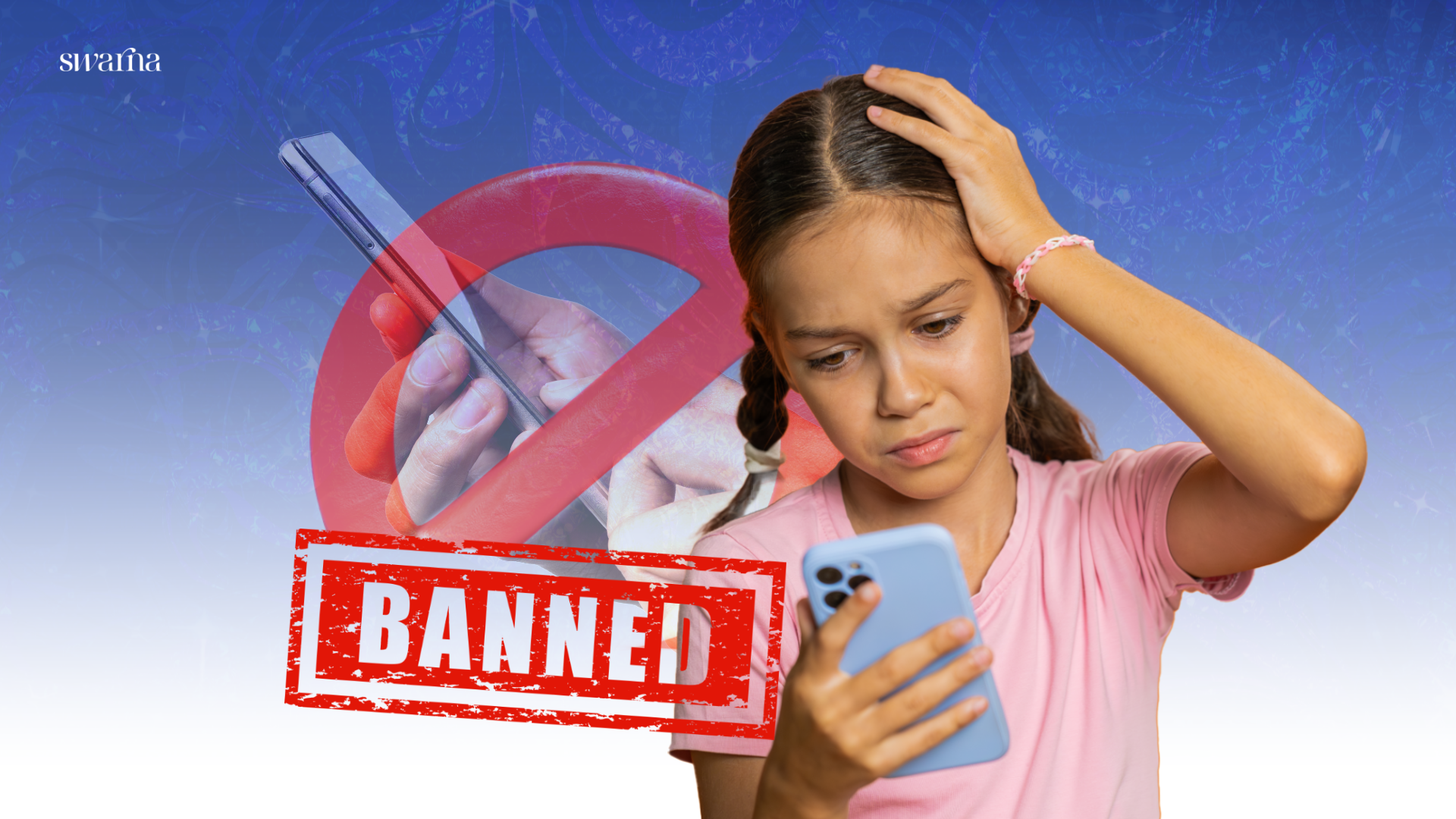
There has been a lot of debate regarding the implementation of a sweeping social media ban on children after Australia became the first country to pass legislation officially. And now the trend is gaining traction, with Norway, the United Kingdom, France, and other countries exploring similar measures. And now, Indonesia has followed suit by enforcing it.
Just recently, Meta boss Mark Zuckerberg testified in a California courtroom to answer growing accusations that its platforms (Facebook, Instagram, WhatsApp, etc.) caused addiction and self-harm to users (mostly children and teenagers). The jury has found him liable. It sparked more discussion about regulating the power of big tech over our digital lives. Many governments are rethinking legislative measures to address issues related to social media use, particularly harmful content, privacy risks, and the long‐term impact on young minds.
In recent years, new laws have been proposed to restrict access for children and teenagers, with tech giants facing fines if they fail to enforce age restrictions.
Apart from other countries, Indonesia stands out in this global debate due to its massive and highly active youth population. Recent data shows that 180 million people, or roughly 62.9% of the country’s population, use the Internet. Alarmingly, statistics show that 12.27% of these users are children aged 5 to 12, and 87% of them are introduced to social media before they turn 13. Moreover, UNICEF reports that 89% of Indonesian children are online daily for an average of 5.4 hours daily, with 86.5% prioritising social interactions on the Internet.
Despite this heavy usage, online safety remains a challenge as only 37.5% of children have received information on how to stay safe online, and nearly 50% have been exposed to bullying or harmful content. Additionally, 32.1% of children admitted to sharing personal information with strangers online, putting them at risk of exploitation.
Given these risks, the Indonesian government is actively considering age restrictions for social media use. Officials have cited concerns over excessive screen time, declining critical thinking skills, and increased exposure to harmful content. Parents, too, are growing increasingly aware of these dangers, as 89.2% believe the Internet poses risks to their children, yet only 10.2% use parental control applications to monitor online behavior.
As concerns grow over the impact of social media on children’s mental health, safety, and privacy, governments worldwide are introducing age restrictions to regulate access. These policies aim to protect young users but also create new challenges and opportunities for brands.
Below are key global trends and case studies illustrating how brands are adapting to these changes.
Many countries are raising the minimum age for social media access or requiring parental consent for younger users.
Some governments are taking further steps by restricting when and how long children can be online.
Governments are demanding stricter age verification processes, which impact how brands engage with younger audiences.
However, a social media ban is not as simple as restricting access, as people would always find a way to circumvent such initiatives. With VPN, location spoofing, and identity theft, young people can skirt past restrictions entirely. Not all governments can effectively implement such a ban, as there are political, economic, and social issues to consider.
And Indonesia is one big country with a bloated bureaucracy that will tackle an enormous undertaking of policing the digital space for young people. Not only does it have to verify identity, but it also has to ensure that such a ban would be implemented consistently across the country.
Government officials have passed legislation to set a minimum age for social media users. They considered whether to implement interim guidelines immediately or to wait for full legislation after extensive stakeholder consultations. The aim is to shield young users from harmful content ranging from explicit material to online gambling ads while also addressing issues like the “scroll culture” that many educators claim is hindering deep thinking and problem-solving among children.
While the exact age threshold focuses on those 16 years old and below. They will be granted limited access, provided they remain under strict parental oversight or even a parental veto system. However, enforcing such measures is not without challenges. Verifying ages across Indonesia’s vast digital landscape is complex, and there are concerns over data privacy when personal details or biometric data are required for age verification. Implementing it successfully remains to be seen.
Proponents of the ban argue that limiting social media access will help protect children from dangerous content, including pornography and targeted online gambling ads. Yet, critics caution that overly strict restrictions might also impede children’s rights to information and inhibit the development of essential digital literacy skills.
Digital platforms play a crucial role in modern youth culture by offering spaces for self-expression, community building, and even support against radical influences. For many young Indonesians, social media is where they make friends, share experiences, and even experiment with their identity. However, if restrictions cut children off from these venues, there is a risk of unintended effects such as isolation from peer support networks and a stifling of creative expression, which are elements that are vital for healthy identity formation and social development.
Just as governments start rolling out new legislation that tries to control social media use, brands and digital marketers have to find ways to reach out to their audience despite the limitations imposed by law.
When US President Donald Trump targeted TikTok for a total ban in the country, many brands and influencers were affected by the shutdown. Surprisingly, many pivoted to different platforms that weren't covered by it. There were a lot of legal challenges and social protests that ultimately led to a compromise between ByteDance (the parent company) and the U.S. government. In short, the ban ultimately failed.
With all their financial resources and global influence, these tech giants would directly negotiate with the government. Big brands that are targeting a younger demographic might follow suit. As for small and medium-sized businesses, they have to be creative to find gray areas where they are technically not violating the law.
Age restrictions make it harder for brands to reach under-16 audiences, traditionally a major market for gaming, fashion, and entertainment brands. Brands must redirect marketing efforts to older demographics or shift towards family-focused messaging to engage parents as decision-makers.
YouTube restricted personalized ads for under-18 users and expanded its ‘Supervised Experience’ mode, allowing parents to control content exposure. As a result, brands now invest more in educational, parent-approved content rather than direct targeting of younger audiences.
Platforms like Meta (Facebook, Instagram) and TikTok are required to invest in age verification technology and stricter content moderation, increasing operational costs. Brands advertising on these platforms face greater scrutiny, with potential legal consequences for breaching child protection laws.
Brands are shifting towards gaming platforms like Roblox, Minecraft, and educational apps, which allow more controlled interactions with younger audiences. Influencer partnerships with family-friendly creators are growing, as brands use trusted influencers to engage parents and older siblings.
With direct access to underage consumers reduced, companies that traditionally targeted young audiences must rethink their strategies. Changing user demographics mean that brands might now have to pivot and innovate. Moreover, advertising practices may need to be adjusted to ensure that campaigns do not inadvertently target children, as doing so could lead to reputational risks and regulatory penalties.
By shifting focus towards older demographics, brands can engage with a more mature audience that makes purchasing decisions. Creative strategies might include developing “safe” yet engaging content that resonates with family values or launching campaigns through educational apps and gaming platforms. Additionally, leveraging first-party data and collaborating with influencers who promote responsible digital use can help maintain a strong connection with audiences in a compliant manner.
There are three things brands can focus on when social media marketing to a younger demographic is seriously hindered.
Brands should prioritize transparent, ethical advertising that aligns with the new child protection standards. This means ensuring that content is carefully tailored not to target or appeal directly to underage users, thus safeguarding the brand’s reputation and avoiding regulatory pitfalls.
Focusing on parental engagement is critical. Brands can create campaigns that speak to family values, promoting digital literacy and safe online behaviors. By investing in initiatives that educate parents about internet safety, companies can build trust and loyalty, positioning themselves as responsible corporate citizens. At the end of the day, it’s the parents who are the key decision makers as they are the ones who pay for what their children want.
With traditional social media channels potentially offering less direct access to younger demographics, brands should explore alternative platforms and innovative formats. This might include partnering with educational apps or gaming platforms, or developing “family pairing” features that allow parents to share digital experiences with their children. Collaborations with local tech partners can ensure that these new strategies are both effective and compliant with emerging regulations.
By embracing these strategic recommendations, understanding key insights, and learning from global precedents, brands operating in Indonesia can effectively navigate the challenges and opportunities presented by a potential social media ban for children.
The regulatory landscape is still in flux. As the government continues consultations and drafts full legislation, brands should keep a close eye on policy developments. Future revisions may further refine age limits and enforcement mechanisms, making it essential for brands to remain agile and responsive.
Over time, stricter age restrictions could shift user behavior and digital advertising trends. With a focus moving towards older and family-centric audiences, brands may need to recalibrate their messaging and platform strategies. The long-term impact is likely to foster a more secure digital environment, albeit one that requires innovative approaches from marketers.
Ultimately, navigating these changes will require brands to balance compliance, innovation, and social responsibility. By adopting transparent, ethical marketing practices, engaging with parents and older users, and diversifying their digital channels, companies can not only mitigate risks but also seize new opportunities. In a rapidly evolving digital landscape, the brands that thrive will be those that remain proactive, flexible, and committed to the welfare of their consumers.
Dealing with new digital regulations doesn’t have to be daunting.
We specialize in turning challenges into opportunities, helping your brand adapt to these challenges with strategies that help you stay compliant without sacrificing audience engagement.
We create effective campaigns that push the envelope of what's possible, thereby ensuring your message is delivered responsibly and powerfully. Let’s talk about it today!

At Swarna, we help brands unleash the full potential of Instagram in their brand strategies and marketing campaigns.
Reach out to our team and we'll help you get things started.


.svg)